
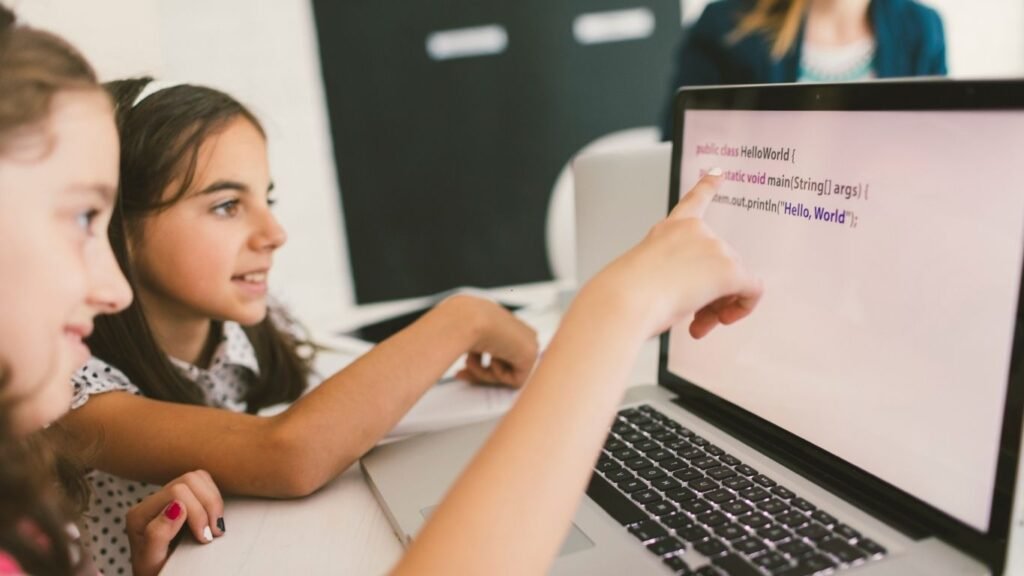
Every day, kids are surrounded by technology—mobile apps, games, websites, and smart devices. But here’s the real question: are they just using technology, or are they learning how to create it?
That’s where computer programming for kids comes in. Instead of being passive users, kids can become creators—building their own games, animations, and even simple apps. And the best part? They can start much earlier than most parents think.
What is Computer Programming for Kids?
Computer programming for kids is the process of teaching children how to write instructions (code) that computers can understand and follow. These instructions help create games, apps, animations, websites, and more.
But for kids, it’s not about complex syntax or difficult concepts. Instead, it’s about:
- Learning through fun activities
- Solving problems step-by-step
- Building creative projects
Think of coding like learning a new language—but instead of speaking to people, kids are communicating with computers.
Why is Computer Programming Important for Kids?
You might be thinking, “My child is still young—why introduce coding now?” The truth is, coding builds much more than technical skills.
1. Improves Problem-Solving Skills
Coding teaches kids how to break down big problems into smaller steps. This structured thinking helps them in academics and real-life situations.
2. Boosts Creativity
Kids don’t just consume technology—they create it. Whether it’s designing a game or building an animation, coding unlocks imagination.
3. Builds Logical Thinking
Programming strengthens logical reasoning. Kids learn patterns, sequences, and cause-effect relationships naturally.
4. Prepares for Future Careers
From AI to robotics, most future careers will involve technology. Starting early gives kids a strong advantage.
5. Enhances Confidence
When kids build something from scratch—like a game—it gives them a sense of achievement and confidence.
When Should Kids Start Learning Programming?
There’s no perfect age, but most experts suggest starting between 6 to 8 years old.
At this stage:
- Kids can understand basic logic
- They enjoy interactive learning
- They are naturally curious
Younger kids can start with visual coding (drag-and-drop blocks), while older kids can move to text-based coding languages.
Best Programming Languages for Kids
Choosing the right language is important. Here are some beginner-friendly options:
Scratch
Perfect for beginners. Kids use colorful blocks to create games and animations.
Python
Simple and easy to read. Great for older kids who want to move beyond basics.
JavaScript
Ideal for kids interested in web development and interactive websites.
Blockly
Similar to Scratch but used in many learning platforms.
Each of these helps kids understand coding concepts without feeling overwhelmed.
How to Teach Computer Programming to Kids?
Teaching kids coding doesn’t have to be complicated. Here’s a simple approach:
Start with Fun, Not Theory
Kids learn best when they enjoy the process. Begin with games, puzzles, and interactive tools.
Use Visual Learning Tools
Platforms with drag-and-drop features help kids understand logic without worrying about syntax.
Encourage Small Projects
Let kids build simple things like:
- A mini game
- A cartoon animation
- A quiz app
Small wins keep them motivated.
Be Patient
Every child learns at their own pace. Avoid pressure and focus on progress.
Make it Consistent
Even 30 minutes a few times a week can make a big difference.
Common Challenges and How to Overcome Them
My child loses interest quickly
Solution: Keep sessions short and engaging. Use gamified platforms.
Coding seems too difficult
Solution: Start with beginner-friendly tools like Scratch.
I don’t know coding myself
Solution: You don’t need to be an expert. Guided programs and courses can help.
Online Learning vs Structured Programs
Many parents try free resources first—and that’s okay. But structured learning often gives better results.
Free Resources
- Good for exploration
- Limited guidance
- Lack of structured progression
Structured Programs
- Step-by-step learning
- Expert guidance
- Real-world projects
- Consistent progress tracking
For long-term success, a guided approach is usually more effective.
How Edupodz Junior Helps Kids Learn Programming?
At Edupodz Junior, the focus is not just on teaching coding—but on building future-ready skills.
Here’s what makes it different:
- Age-appropriate curriculum designed for kids
- Interactive live sessions with expert mentors
- Hands-on projects that make learning practical
- Focus on creativity and logic, not just coding syntax
- Personalized attention to match each child’s pace
Instead of overwhelming kids, Edupodz Junior makes learning programming simple, fun, and meaningful.
Real-Life Benefits of Learning Programming Early
Let’s look at what kids actually gain:
- Better academic performance
- Strong analytical thinking
- Improved focus and patience
- Early exposure to technology careers
- Confidence in creating digital projects
These benefits go far beyond coding—they shape how kids think and learn.
Future of Computer Programming for Kids
Technology is evolving fast. Fields like:
- Artificial Intelligence
- Robotics
- Game Development
- App Development
are becoming more important every day.
Kids who start learning programming early are better prepared to explore these opportunities in the future.
Final Thoughts
Computer programming for kids is not about turning every child into a software developer. It’s about giving them the tools to think better, create more, and adapt to a digital world.
The earlier kids start, the more comfortable they become with technology—not just using it, but understanding and building it.
As a parent, your role is simple:
Encourage curiosity, provide the right resources, and support their learning journey.
Want your child to start their coding journey the right way?
Join Edupodz Junior today and help them build future-ready skills through fun, interactive computer programming programs!
FAQs: Computer Programming for Kids
What is computer programming for kids?
Computer programming for kids is a way of teaching children how to give instructions to a computer using simple coding languages. It helps kids create games, animations, and apps while developing problem-solving and logical thinking skills in a fun and interactive way.
At what age should kids start learning computer programming?
Kids can start learning computer programming as early as 6 to 8 years old. At this age, they can understand basic logic and enjoy visual coding platforms like Scratch. As they grow older, they can gradually move to more advanced programming languages.
Why is computer programming important for kids?
Computer programming for kids is important because it builds essential skills like problem-solving, creativity, and logical thinking. It also prepares children for future careers in technology and helps them understand how digital tools and applications work.
Is computer programming difficult for kids to learn?
No, computer programming for kids is designed to be simple and engaging. Many platforms use visual tools and step-by-step instructions, making it easy for children to learn without feeling overwhelmed. The key is to start with beginner-friendly methods.
Which programming language is best for kids?
The best programming languages for kids include Scratch, Python, and Blockly. Scratch is ideal for beginners, while Python is great for older kids who are ready to explore text-based coding. The choice depends on the child’s age and learning level.