News

Robotics Project Ideas for Kids

Top Robotics Project Ideas for Kids to Boost Creativity and Learning

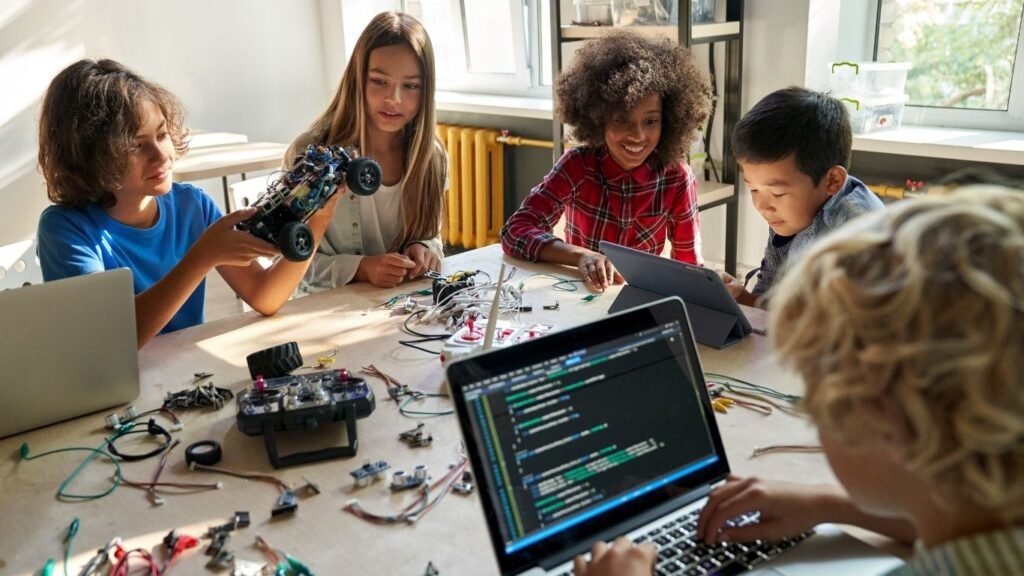
If you’ve ever seen a child get excited about robots, you already know—robotics is not just a subject, it’s an experience. Today, parents are actively searching for robotics project ideas for kids that go beyond textbooks and help children build real-world skills. At Edupodz, we believe that when kids build something with their own hands, learning becomes powerful, practical, and fun. So, if you’re wondering how to introduce your child to robotics or looking for creative project ideas, you’re in the right place. Let’s explore some exciting robotics project ideas that are perfect for kids of different age groups. Why Robotics is Important for Kids? Before we jump into project ideas, let’s quickly understand why robotics matters. Robotics helps children: Develop logical thinking and problem-solving skills Improve creativity and innovation Learn coding in a practical way Build confidence by creating real projects Understand how technology works in everyday life In simple words, robotics turns kids from passive users into active creators. Beginner Robotics Project Ideas for Kids If your child is just starting, these simple and fun projects are perfect. 1. Line Following Robot This is one of the most popular beginner robotics projects. Kids create a robot that follows a path drawn on the floor using sensors. What kids learn: Basic electronics Sensors and motors Logical decision-making 2. Obstacle Avoiding Robot This robot detects objects in its path and changes direction automatically. What kids learn: Sensor integration Real-time problem-solving Basic programming concepts 3. LED Blinking Robot A simple project where kids control LED lights using circuits or coding. What kids learn: Circuit basics Input-output systems Introduction to programming Intermediate Robotics Project Ideas for Kids Once kids are comfortable with basics, they can move to slightly advanced projects. 4. Bluetooth Controlled Car Kids can control a robot car using a smartphone via Bluetooth. What kids learn: Wireless communication Mobile app integration Motor control 5. Smart Dustbin A touchless dustbin that opens automatically when someone comes near. What kids learn: Automation Sensor-based systems Real-life problem solving 6. Voice Controlled Robot This robot responds to voice commands like “move forward” or “stop.” What kids learn: Voice recognition basics AI introduction Command-based programming Advanced Robotics Project Ideas for Kids For kids who are ready to challenge themselves, these ideas are exciting and future-focused. 7. Home Automation System Kids can control lights, fans, and appliances using apps or voice. What kids learn: Internet of Things (IoT) Smart systems Real-world applications 8. Robotic Arm A mechanical arm that can pick and place objects. What kids learn: Mechanics and movement Precision control Engineering basics 9. Fire Fighting Robot A robot designed to detect and extinguish small fires. What kids learn: Sensors and safety systems Real-world problem solving Advanced robotics logic How to Choose the Right Robotics Project for Your Child? Not every project suits every child. Here’s how you can choose wisely: Start simple: Build confidence first Focus on interest: Cars, games, or smart devices Encourage experimentation: Let kids explore and fail Provide guidance: Structured learning helps At Edupodz, we design robotics programs that match your child’s learning level and keep them engaged at every step. Tips to Make Robotics Learning Fun Turn projects into games or challenges Let kids customize their robots Celebrate small achievements Encourage teamwork and collaboration Connect projects to real-life problems The goal is not just to build robots, but to build thinking minds. Why Choose Edupodz for Robotics Learning? At www.edupodz.in, we go beyond traditional teaching. Our programs are designed to: Make coding and robotics easy to understand Provide hands-on project-based learning Help kids build real-world skills Prepare them for future technology careers We don’t just teach robotics—we help kids think, create, and innovate. Final Thoughts Robotics is one of the most valuable skills kids can learn today. With the right robotics project ideas for kids, you can spark curiosity, build confidence, and prepare your child for the future. Start small, stay consistent, and most importantly—make learning fun. “Don’t just let your child use technology—help them create it.” Enroll today at Edupodz and give your child the power to build the future with robotics. FAQs: Robotics Project Ideas for Kids What are the best robotics project ideas for kids? The best robotics project ideas for kids include simple projects like line-following robots, obstacle-avoiding robots, and LED circuits for beginners, while intermediate learners can try Bluetooth-controlled cars or smart dustbins. Advanced kids can explore robotic arms or home automation systems. At what age can kids start learning robotics projects? Kids can start exploring robotics project ideas for kids as early as 6–7 years old with simple, guided activities. As they grow older, they can move to more advanced projects involving coding and automation. Are robotics project ideas for kids helpful for learning coding? Yes, robotics project ideas for kids are one of the best ways to learn coding practically. Instead of just theory, kids apply coding concepts in real projects, which improves understanding and retention. What skills do kids develop through robotics projects? Through robotics project ideas for kids, children develop problem-solving skills, logical thinking, creativity, teamwork, and basic engineering knowledge. These skills are essential for future careers.   Where can kids learn robotics in a structured way? Kids can learn robotics through structured programs that provide step-by-step guidance, hands-on projects, and expert support—helping them master robotics project ideas for kids effectively. The best robotics project ideas for kids include simple projects like line-following robots, obstacle-avoiding robots, and LED circuits for beginners, while intermediate learners can try Bluetooth-controlled cars or smart dustbins. Advanced kids can explore robotic arms or home automation systems. Kids can start exploring robotics project ideas for kids as early as 6–7 years old with simple, guided activities. As they grow older, they can move to more advanced projects involving coding and automation. Yes, robotics project ideas for kids are one of the best ways to learn coding practically. Instead of just theory, kids apply coding concepts in real projects, which improves understanding and retention. Through robotics project ideas

Top Robotics Project Ideas for Kids to Boost Creativity and Learning Read More »

Best Skills for Kids to Learn

Best Skills for Kids to Learn in 2026: Future-Ready Abilities Every Child Needs

The world is changing faster than ever, and the skills children need today are very different from what was required just a few years ago. With artificial intelligence, automation, and digital technology becoming a part of everyday life, parents are asking an important question: What are the best skills for kids to learn in 2026? The answer goes beyond academics. While subjects like mathematics, science, and language remain important, children also need practical, creative, and future-focused skills that help them adapt, solve problems, and succeed in a rapidly evolving world. In this guide, we will explore the best skills for kids to learn in 2026 and how parents can help children develop these abilities from an early age. Why Future Skills Matter More Than Ever? Technology is transforming the way people learn, work, and communicate. Experts suggest that future careers will require a combination of technical knowledge, creativity, communication, and critical thinking. Children who develop these skills early will be better prepared for future opportunities and challenges. The goal is not just to prepare kids for jobs but to help them become confident learners, innovative thinkers, and problem solvers. 1. Coding and Computational Thinking Coding continues to be one of the most valuable skills for children in 2026. However, coding is not only about writing computer programs. It teaches children how to think logically, break down problems into smaller parts, and create solutions step by step. Benefits of coding for kids include: Improved logical thinking Better problem-solving skills Enhanced creativity Stronger mathematical understanding Confidence in technology Platforms such as Scratch make coding fun and interactive for young learners, helping them build games, animations, and projects while learning essential programming concepts. 2. Artificial Intelligence (AI) Literacy AI is becoming a part of everyday life. Children don’t need to become AI engineers, but they should understand how AI works, its benefits, and its limitations. Learning AI literacy helps children become responsible users of technology rather than passive consumers. Key areas kids can learn include: Understanding what AI is Using AI tools responsibly Asking effective questions Evaluating AI-generated information Learning about AI ethics Children who understand AI early can use it as a learning assistant while maintaining their own creativity and independent thinking. 3. Critical Thinking and Problem-Solving In a world filled with information, children need the ability to think critically. Critical thinking helps kids analyze situations, ask questions, evaluate information, and make informed decisions. It is considered one of the most important future-ready skills. Children can develop critical thinking through: Puzzle-solving activities Coding projects Strategy games Science experiments Open-ended discussions These activities encourage children to think independently and develop confidence in solving challenges. 4. Creativity and Innovation Even in the age of AI, creativity remains a uniquely human strength. Creative children are better at generating ideas, adapting to change, and finding unique solutions to problems. Experts increasingly view creativity as a key future skill because technology can support creativity but cannot replace genuine imagination and personal expression. Ways to nurture creativity include: Storytelling Art and design Music Creative coding projects Building and making things Creativity helps children become innovators rather than followers. 5. Communication Skills Strong communication skills help children express ideas clearly, collaborate effectively, and build confidence. Whether communicating online or face-to-face, children need to learn how to listen, speak, and present their thoughts effectively. Communication skills benefit children by: Improving teamwork Enhancing leadership abilities Building self-confidence Strengthening social relationships Encouraging presentations, group activities, and discussions can help children become effective communicators. 6. Emotional Intelligence Emotional intelligence is the ability to understand and manage emotions while showing empathy toward others. As technology automates many technical tasks, human-centered skills like empathy and emotional awareness become even more valuable. Children with strong emotional intelligence often: Build healthier relationships Manage stress effectively Resolve conflicts peacefully Work better in teams Teaching children self-awareness and empathy helps them succeed both personally and professionally. 7. Digital Literacy and Online Safety Today’s children spend a significant amount of time online. Digital literacy goes beyond using devices—it includes understanding how technology works, evaluating online information, and staying safe on the internet. Important digital literacy skills include: Safe internet practices Cybersecurity basics Responsible social media use Identifying misinformation Protecting personal information These skills help children become responsible digital citizens. 8. Collaboration and Teamwork Future workplaces will continue to emphasize collaboration. Children who learn to work effectively with others gain valuable interpersonal skills that benefit them throughout life. Teamwork teaches children: Respect for different perspectives Leadership skills Cooperation Shared responsibility Group coding projects, sports, and classroom activities provide excellent opportunities to develop teamwork. 9. Adaptability and Lifelong Learning The future will bring constant change. Many jobs that children will have in adulthood may not even exist today. This makes adaptability one of the most important skills children can develop. Adaptable children: Embrace new challenges Learn new technologies quickly Recover from setbacks Stay curious and motivated Encouraging a growth mindset helps children become lifelong learners. 10. Data and Analytical Thinking Data is everywhere. From sports statistics to social media trends, children increasingly interact with data in daily life. Learning how to understand and analyze information helps them make better decisions and think more logically. Children can start with: Reading charts and graphs Understanding patterns Basic spreadsheet skills Simple data projects These foundational skills prepare them for future academic and career success. How Parents Can Help Children Build Future Skills? Parents play a crucial role in developing future-ready skills. Here are a few practical tips: Encourage curiosity and questions. Provide opportunities for hands-on learning. Introduce coding and technology early. Limit passive screen time and promote active learning. Support creative activities and hobbies. Celebrate effort and progress rather than perfection. Encourage independent problem-solving. Remember, learning should be engaging and enjoyable. Children learn best when they are excited about exploring new ideas. Final Thoughts When considering the best skills for kids to learn in 2026, the focus should be on a balance of technical knowledge and human skills. Coding, AI literacy, critical thinking, creativity,

Best Skills for Kids to Learn in 2026: Future-Ready Abilities Every Child Needs Read More »

Technology Trends Kids Should Learn

Technology Trends Kids Should Learn for a Future-Ready World

Look around you for a moment. Everything—from the phone in your hand to the way we learn, shop, and communicate—is powered by technology. Now imagine what the world will look like when today’s kids grow up. The real question is not whether technology will shape their future… it’s how prepared they will be for it. This is why understanding the technology trends kids should learn is so important today. It’s not about turning every child into a programmer—it’s about helping them think smarter, solve problems, and confidently adapt to a digital world. Children today are growing up in a tech-driven environment. Instead of just consuming content, they should learn how to create, build, and innovate using technology. And the earlier they start, the more naturally these skills become part of their thinking. Let’s explore the most important technology trends every child should start learning today—and how these skills can truly shape their future. Why Kids Should Learn Technology Early? Children are naturally curious. When introduced to technology in the right way, they don’t just consume it—they create with it. Learning technology at a young age helps kids: Improve problem-solving skills Build logical thinking Boost creativity Gain confidence in digital environments Instead of just using devices, kids can learn how things actually work behind the screen. 1. Coding and Programming One of the most important technology trends kids should learn is coding. It’s often called the “language of the future.” Coding teaches kids how to: Break down complex problems Think step-by-step Build apps, games, and websites The best part? Kids can start coding in a fun and interactive way through games and visual platforms. It doesn’t feel like studying—it feels like creating. At Edupodz, coding is taught in a structured and engaging way so kids enjoy the process while learning real-world skills. 2. Artificial Intelligence (AI) Artificial Intelligence is already shaping our world—from voice assistants to smart recommendations. Introducing kids to AI helps them understand how machines “think.” Kids can learn: Basics of machine learning How AI makes decisions Real-life applications of AI Understanding AI early gives children an edge in tomorrow’s job market. 3. Robotics Robotics combines coding, engineering, and creativity. It’s one of the most exciting technology trends kids should learn because it turns ideas into real, moving creations. Through robotics, kids can: Build simple robots Understand sensors and automation Learn how machines interact with the environment It’s hands-on learning at its best. 4. Game Development What if your child could create games instead of just playing them? Game development teaches: Storytelling Design thinking Programming logic Kids love games, so this is a powerful way to introduce learning without pressure. It also improves creativity and attention to detail. 5. Cyber Safety and Digital Awareness In a digital world, safety is just as important as skills. Kids should learn: How to stay safe online Understanding privacy and data protection Responsible use of social media This is one of the most essential yet often ignored technology trends kids should learn. 6. App Development From food delivery to learning apps, everything today runs on mobile applications. Teaching kids how apps are built helps them understand real-world technology. They can learn: Basic app design User experience (UX) How apps function Who knows? Your child might build the next big app! 7. Creative Technologies (Animation & Design) Technology is not just about coding—it’s also about creativity. Kids can explore: Animation Graphic design Video editing These skills help children express their ideas visually and creatively, which is equally important in today’s digital world. How Edupodz Helps Kids Learn Future Skills? At Edupodz, the focus is not just on teaching technology—but on building future-ready minds. Our programs are: Structured and easy to follow Designed for different age groups Focused on practical learning Fun and engaging We believe that every child has potential. With the right guidance, they can turn their curiosity into skills that matter. Final Thoughts The world is changing faster than ever. The skills that were important yesterday may not be enough tomorrow. That’s why understanding the technology trends kids should learn is so important for parents today. The goal is not to put pressure on children—but to guide them in the right direction. When kids learn technology in a fun and meaningful way, they become confident, creative, and ready for the future. Give your child the opportunity to explore, create, and grow with the right skills. Start their journey today with Edupodz and prepare them for a smarter tomorrow. FAQs – Technology Trends Kids Should Learn What are the most important technology trends kids should learn today? Some of the most important technology trends kids should learn include coding, artificial intelligence (AI), robotics, game development, app development, and digital safety. These skills help children become future-ready. At what age should kids start learning technology skills? Kids can start learning basic technology skills as early as 5–7 years old through fun and interactive methods like games, visual coding, and simple projects. Why is it important for kids to learn technology trends early? Learning the right technology trends kids should learn helps improve problem-solving, logical thinking, creativity, and confidence. It prepares them for future careers and real-world challenges. Is coding necessary for every child? Yes, coding is one of the key technology trends kids should learn. It teaches structured thinking and problem-solving, even if the child does not pursue a tech career. How can parents introduce technology learning to their kids? Parents can enroll their children in structured programs, use educational apps, and encourage project-based learning to make technology fun and engaging. How does Edupodz help kids learn technology skills? Edupodz offers structured, engaging, and age-appropriate programs focused on the most important technology trends kids should learn, helping them build real-world skills in a fun way. Some of the most important technology trends kids should learn include coding, artificial intelligence (AI), robotics, game development, app development, and digital safety. These skills help children become future-ready. Kids can start learning basic technology skills as early

Technology Trends Kids Should Learn for a Future-Ready World Read More »

Problem Solving Through Coding

Why Smart Kids Still Struggle — And How Problem Solving Through Coding Changes That

Every parent has seen this moment. Your child studies well. They remember answers. They score decent marks.But when something slightly different comes up — a new type of question, a tricky situation — they get stuck. They pause. They guess. Or they give up. And that’s when you realize…The problem is not knowledge. The problem is thinking. Today, children don’t just need information. They need the ability to understand, analyze, and solve problems on their own. This is exactly where problem solving through coding makes a powerful difference. Coding is not just about computers or programming languages. It’s a way of training the brain to think clearly, break down challenges, and find solutions step by step. Instead of asking, “What is the right answer?”Kids start asking, “How can I solve this?” And that shift changes everything. Let’s understand how this works — and why more parents are choosing coding to build real problem-solving skills in their children. What is Problem Solving Through Coding? Problem solving through coding means using programming as a tool to develop logical thinking, creativity, and decision-making skills. When a child writes code, they are not just typing instructions. They are: Understanding a problem Breaking it into smaller parts Finding possible solutions Testing and improving their approach This process naturally builds strong problem-solving abilities. For example, if a child is asked to create a simple game, they need to think: How will the game start? What happens when a player clicks a button? What should happen if they lose or win? Each of these questions pushes them to think logically and find solutions step by step. Why Coding is the Best Tool for Problem Solving? You might wonder — why coding specifically? Because coding provides instant feedback. If something is wrong, it doesn’t work. This teaches kids to: Identify mistakes Try different approaches Stay patient and persistent Unlike traditional learning, coding encourages learning by doing. Here’s why it works so well: 1. Encourages Logical Thinking Coding teaches kids to think in a structured way. They learn to follow sequences, understand conditions, and build step-by-step solutions. 2. Builds Creativity Problem solving is not just logic — it’s also creativity. Coding allows kids to create games, animations, and apps, turning ideas into reality. 3. Improves Focus and Patience Debugging code (fixing errors) requires attention and patience. Kids learn that mistakes are part of learning. 4. Develops Analytical Skills Children learn to analyze situations and choose the best possible solution instead of guessing. Real-Life Benefits of Problem Solving Through Coding The skills learned through coding go far beyond computers. Better Academic Performance Subjects like math and science become easier because coding strengthens logical reasoning. Confidence Building When kids solve a problem on their own, it boosts their confidence significantly. Decision-Making Skills Coding teaches kids to evaluate multiple options and choose the best one — a crucial life skill. Future Career Readiness No matter what career they choose, problem-solving is always valuable. Coding simply gives them an early advantage. How Kids Learn Problem Solving Through Coding? At first, coding might sound complex. But when taught correctly, it becomes fun and engaging. Here’s how the learning journey usually looks: Step 1: Understanding Basic Concepts Kids start with simple concepts like sequences, loops, and conditions using visual tools or beginner-friendly languages. Step 2: Small Projects They create small projects like animations or simple games. This helps them apply what they learn. Step 3: Solving Challenges Gradually, they are given challenges to solve. This is where real problem-solving begins. Step 4: Building Real Applications As they grow, they start building more advanced projects, improving both logic and creativity. Why Early Learning Matters? The earlier kids start, the better they become at thinking critically. Children’s brains are highly adaptable. When they learn coding at a young age, they naturally develop: Curiosity Logical thinking Independent learning habits Instead of just consuming technology, they learn to create it. Common Myths About Coding Let’s clear a few misconceptions: Coding is too difficult for kids Not true. With the right guidance and tools, kids can start coding as early as 6–7 years old. My child is not interested in technology Coding is not just technical — it includes games, stories, and creativity. Most kids enjoy it once they start. It’s only for future programmers Coding is for everyone. The goal is not just programming, but developing thinking skills. How Edupodz Helps in Problem Solving Through Coding? At Edupodz, the focus is not just on teaching coding, but on building strong thinking skills. The approach is simple and effective: Interactive and engaging sessions Real-world problem-solving projects Step-by-step learning for beginners Personalized attention for each child Instead of memorizing, students learn how to think, analyze, and solve problems confidently. This ensures that children don’t just learn coding — they develop a mindset that helps them succeed in every area of life. Tips for Parents to Encourage Problem Solving You don’t need to be a coding expert to support your child. Here are some simple ways: Encourage curiosity — let them ask questions Allow mistakes — don’t rush to correct them Give small challenges — puzzles, games, logic tasks Celebrate effort, not just results Most importantly, give them the right learning environment. Final Thoughts Problem solving is one of the most important skills your child can develop, and coding is one of the best ways to build it. Through coding, children learn how to think clearly, approach challenges with confidence, and find solutions independently. In a world where change is constant, these skills will always stay valuable. If you want your child to become a confident thinker and problem solver, now is the right time to start. Ready to Help Your Child Grow? Give your child the opportunity to learn problem solving through coding with expert guidance at Edupodz. Enroll today and help them build skills that truly matter for the future. FAQs – Problem Solving Through Coding What is problem solving through coding? Problem solving through coding is the process

Why Smart Kids Still Struggle — And How Problem Solving Through Coding Changes That Read More »

Coding for Brain Development:

Coding for Brain Development: How Learning to Code Helps Children Think Smarter

Think about this for a second — your child spends hours on screens every day.But what if screen time could actually build their brain instead of just passing time? That’s exactly where coding comes in. Coding for brain development is not about turning kids into programmers. It’s about helping them think better, solve problems faster, and become more confident learners. When children start coding, they are not just learning technology — they are training their brain to think logically, creatively, and independently. And the best part? They enjoy it while doing it. What Is Coding for Brain Development? Coding for brain development refers to using programming activities to improve a child’s cognitive abilities. When children learn coding, they are constantly thinking, analyzing, predicting outcomes, and solving challenges. Every coding project requires children to: Think logically Break large problems into smaller parts Recognize patterns Test solutions Learn from mistakes Improve their decision-making These activities engage multiple areas of the brain and encourage active learning. How Coding Stimulates Brain Growth? The brain develops through practice and experience. Just as physical exercise strengthens muscles, mental challenges strengthen brain connections. When children code, they must: 1. Analyze Problems Coding teaches children to examine a problem carefully before jumping to a solution. They learn how to identify the root cause of an issue and think systematically. This analytical thinking becomes useful in mathematics, science, academics, and everyday situations. 2. Improve Memory Skills Coding often requires children to remember instructions, commands, sequences, and project goals. As they build programs and games, they continuously use their working memory, which helps improve information retention and organization. 3. Strengthen Logical Thinking One of the biggest benefits of coding for brain development is improved logical reasoning. Children learn that every action has a consequence. If a command is incorrect, the program behaves differently. This cause-and-effect understanding develops strong logical thinking habits. 4. Develop Planning Abilities Before creating a game or animation, children must plan the steps needed to complete the project. Research has shown that coding activities can positively influence children’s planning skills and executive functions. Planning is an important life skill that helps children manage schoolwork, projects, and future responsibilities. Coding Improves Problem-Solving Skills Problem-solving is one of the most valuable skills a child can develop. When coding, errors are normal. Instead of becoming frustrated, children learn to: Identify mistakes Test possible solutions Evaluate outcomes Try again This process is called debugging. Through repeated practice, children develop resilience and confidence when facing challenges. Research reviews have found that coding interventions often show the strongest impact on children’s problem-solving abilities. Coding Helps Children Focus Better Many parents worry about their children’s attention span. Interestingly, coding activities encourage sustained focus because children become actively involved in creating something meaningful. Studies involving young children learning coding have found improvements in attention and learning engagement when coding activities include structured thinking strategies. Instead of passively consuming content, children actively participate in building solutions. Coding Encourages Creativity People often think coding is only about logic and numbers. In reality, coding is highly creative. Children can create: Games Animations Stories Interactive quizzes Mobile applications Digital art projects Coding gives children the freedom to transform ideas into reality. Recent studies have also linked coding activities with improvements in creativity and imagination among young learners. Coding Supports Computational Thinking Computational thinking is the ability to solve problems using structured and logical methods. It includes: Decomposition Pattern recognition Abstraction Algorithm design These thinking processes are useful far beyond computer programming. Children use computational thinking when: Solving math problems Organizing tasks Planning projects Making decisions Coding provides a practical way to develop these essential thinking skills. Coding Builds Confidence One of the most rewarding experiences for a child is seeing their own project work successfully. When children create a game, animation, or app, they experience a sense of achievement. This boosts: Self-confidence Independence Motivation Curiosity Children begin to believe that they can solve complex problems through effort and practice. This growth mindset is valuable in academics and life. At What Age Should Children Start Coding? Many parents are surprised to learn that coding can start much earlier than they expect. Research suggests that even preschool children can learn basic computational thinking concepts through guided play and age-appropriate coding activities. Young learners can begin with: Visual coding platforms Block-based programming Coding games Robotics activities As they grow, they can gradually move to more advanced programming languages. The key is making learning enjoyable and age-appropriate. Why Coding Is More Than a Future Career Skill? Many discussions about coding focus only on future jobs. While coding certainly opens career opportunities, its biggest benefit for children may be brain development. Coding teaches children how to think rather than what to think. The skills developed through coding include: Critical thinking Logical reasoning Creativity Persistence Attention management Problem-solving Decision-making These abilities support success across all subjects and future careers. How Edupodz Helps Children Develop Through Coding? At Edupodz, we focus on making coding fun, engaging, and meaningful for children. Our coding programs are designed to: Build strong logical thinking skills Improve problem-solving abilities Encourage creativity Develop confidence Introduce future-ready technology skills We believe every child can benefit from learning coding, regardless of whether they want to become a programmer in the future. By combining interactive learning with practical projects, we help children develop both technical knowledge and essential brain skills. Final Thoughts Coding for brain development is one of the most effective ways to help children become better thinkers, learners, and problem-solvers. It encourages logical reasoning, creativity, planning, focus, and confidence while preparing children for a technology-driven world. More importantly, coding teaches children how to approach challenges with curiosity and determination. These are skills that remain valuable throughout life. If you want your child to build strong thinking abilities while having fun learning modern technology, coding is an excellent place to start. Ready to help your child unlock their full potential? Join Edupodz today and discover coding programs designed to develop creativity, confidence, and

Coding for Brain Development: How Learning to Code Helps Children Think Smarter Read More »

How to Develop Logical Thinking in Kids

How to Develop Logical Thinking in Kids: A Practical Guide for Parents

Have you ever wondered why some children can solve problems quickly, ask thoughtful questions, and find creative solutions to everyday challenges? The secret often lies in strong logical thinking skills. If you’re looking for ways to understand how to develop logical thinking in kids, you’re already taking an important step toward preparing your child for future success. Logical thinking is not just about academics. It helps children make decisions, analyze situations, solve problems, and think independently throughout their lives. In today’s technology-driven world, logical thinking has become one of the most valuable skills a child can develop. At Edupodz, we believe children learn best when they are encouraged to think, create, and explore through hands-on activities such as coding classes for kids. What Is Logical Thinking? Logical thinking is the ability to analyze information, identify patterns, connect ideas, and arrive at reasonable conclusions. It helps children understand why things happen and how different concepts are related. For example, when a child figures out why a toy is not working or solves a puzzle by identifying patterns, they are using logical thinking skills. Children with strong logical thinking abilities often: Solve problems more effectively Make better decisions Learn new concepts faster Develop confidence in their abilities Become more independent thinkers The good news is that logical thinking is a skill that can be developed through regular practice and the right learning experiences. Why Is Logical Thinking Important for Kids? Many parents focus heavily on memorization and grades. While academic performance is important, the ability to think logically often has a greater impact on long-term success. Logical thinking helps children: Improve Academic Performance Subjects like mathematics, science, and technology require reasoning and problem-solving skills. Children who think logically often understand concepts more deeply rather than simply memorizing information. Build Problem-Solving Skills Life presents challenges every day. Logical thinkers can break complex problems into smaller parts and find effective solutions. Increase Creativity Many people think logic and creativity are opposites. In reality, they work together. Logical thinking helps children organize ideas and turn creative thoughts into practical solutions. Prepare for Future Careers Many future careers will require critical thinking, problem-solving, and technological understanding. Developing these skills early gives children a significant advantage. How to Develop Logical Thinking in Kids? Let’s explore practical strategies that parents can use at home. Encourage Questions Children are naturally curious. Instead of providing immediate answers, encourage them to think through their questions. For example: Instead of saying, “The plant is growing because it gets water,” ask: “What do you think helps the plant grow?” This approach encourages reasoning and exploration. Introduce Puzzle Games Puzzles are excellent tools for developing logical thinking. Activities may include: Jigsaw puzzles Sudoku for kids Pattern recognition games Brain teasers Matching activities These games teach children how to analyze information and identify solutions. Play Strategy-Based Games Board games can be surprisingly effective for developing logical reasoning. Games that require planning, decision-making, and predicting outcomes help children think several steps ahead. Even simple games can teach valuable problem-solving skills. Encourage Real-Life Problem Solving Children learn best through experience. If a toy breaks or a challenge arises, involve them in finding a solution. Ask questions such as: What caused the problem? What could we do differently? What solutions can we try? This process strengthens analytical thinking. Teach Coding One of the most effective ways to develop logical thinking is through coding. Coding teaches children how to: Break problems into smaller steps Follow logical sequences Test solutions Identify and correct mistakes Think systematically This is why coding classes for kids are becoming increasingly popular among parents who want to prepare their children for the future. At Edupodz, our coding programs are designed to make learning fun while helping children build strong logical reasoning skills. How Coding Improves Logical Thinking? Coding is often described as a language of logic. When children create a game, animation, or application, they must think about: What happens first? What happens next? What conditions need to be met? How can problems be solved efficiently? Every coding project becomes a problem-solving exercise. For example, if a game character does not move correctly, children learn to investigate the cause, test different solutions, and fix the issue. This process naturally strengthens logical thinking. Activities That Improve Logical Thinking at Home Parents don’t need expensive tools to help children think logically. Here are some simple activities: Pattern Recognition Activities Ask children to identify patterns in numbers, colors, shapes, or everyday objects. Patterns help children understand relationships and predict outcomes. Building Projects Construction toys and building blocks encourage planning and problem-solving. Children learn how different pieces fit together and how structures can be improved. Story-Based Reasoning Read stories and ask questions like: What do you think will happen next? Why did the character make that choice? What would you do differently? These discussions strengthen reasoning skills. Science Experiments Simple experiments help children understand cause and effect. They learn to make predictions, test ideas, and analyze results. Common Mistakes Parents Should Avoid When trying to develop logical thinking in kids, parents sometimes unintentionally slow the learning process. Avoid these common mistakes: Giving Answers Too Quickly Allow children time to think and explore solutions independently. Focusing Only on Memorization Understanding concepts is more valuable than simply remembering facts. Avoiding Challenges Children grow when they face manageable challenges and learn from mistakes. Over-Scheduling Free play and exploration are important for developing creativity and logical reasoning. The Future Belongs to Thinkers The world is changing rapidly. Future success will depend not only on what children know but also on how they think. Logical thinking helps children adapt, solve problems, and confidently navigate new challenges. Whether through puzzles, games, real-world problem solving, or coding classes for kids, every opportunity to think critically helps children build a stronger foundation for the future. Final Thoughts If you’re wondering how to develop logical thinking in kids, start with activities that encourage curiosity, problem-solving, and independent thinking. Small daily experiences can make a big difference over

How to Develop Logical Thinking in Kids: A Practical Guide for Parents Read More »

How to Introduce AI to Kids

How Parents Can Introduce AI to Kids at an Early Age

Artificial Intelligence is no longer just a buzzword—it’s becoming a part of everyday life. From mobile apps to smart devices, children are already interacting with AI without even realizing it. That’s why many parents today are asking a very important question: how to introduce AI to kids in a simple and meaningful way? The good news is—you don’t need a technical background to get started. You just need the right approach. Start With What Kids Already Know The easiest way to introduce AI to kids is by connecting it with things they already use. Think about it: YouTube recommending videos Google answering questions Voice assistants responding instantly Instead of explaining AI in a complicated way, simply tell your child:“AI is when computers learn from information and make smart decisions.” This makes the concept relatable and removes fear or confusion. Focus on Curiosity First, Not Complexity Many parents make the mistake of jumping straight into coding. But that’s not how kids learn best. Start by asking simple questions: “How does your phone know what you like?” “Why do games get harder as you play more?” These questions naturally build curiosity—and curiosity is where real learning begins. Use Fun and Interactive Learning Methods Kids don’t learn through lectures—they learn through experience. Introduce AI through: Games that involve patterns and decision-making Simple activities that involve predicting outcomes Interactive tools designed for kids When learning feels like play, children stay engaged and interested. Introduce Basic Coding Gradually Once your child is comfortable with basic concepts, you can slowly introduce coding. Start simple: Visual programming for younger kids Beginner-friendly languages like Python for older students Coding helps children understand how AI systems actually work, but it should always be introduced step by step. Encourage Hands-On Projects The best way for kids to understand AI is by creating something. Simple projects can include: A chatbot that answers basic questions A small game that reacts to user actions Creative digital projects using AI tools These activities build confidence and make learning more meaningful. Keep the Learning Pressure-Free AI is a big subject, but your approach should be light and flexible. Avoid: Forcing complex concepts too early Comparing your child with others Turning learning into a task or pressure Instead, focus on: Exploration Creativity Consistency Every child learns differently, and that’s perfectly okay. Why Learning AI Early Matters? Introducing AI at the right age gives children a strong advantage. It helps them: Develop logical and analytical thinking Improve problem-solving skills Build creativity using technology Understand the future of careers More importantly, it shifts them from just using technology to actually understanding it. The Right Guidance Makes a Big Difference While parents can take the first step, structured learning plays an important role in long-term growth. A well-designed program helps children: Learn step by step Work on real-world projects Stay consistent and motivated Build confidence in their skills That’s exactly what platforms like Edupodz aim to do—making complex concepts like AI simple, practical, and engaging for kids. Final Thoughts If you’re wondering how to introduce AI to kids, remember this: You don’t need to rush.You don’t need to complicate it.You just need to start. Begin with simple ideas, keep learning fun, and let your child explore at their own pace. Because the sooner they understand AI, the better prepared they will be for the future. Ready to Get Started? Give your child the right start in AI and future technologies with expert-led, interactive programs. Enroll now with Edupodz and help your child learn AI, coding, and future skills the right way. Visit: www.edupodz.in FAQs: How to Introduce AI to Kids What is the right age to introduce AI to kids? Children can start learning basic AI concepts as early as 6–8 years old through games and interactive tools. More structured learning like coding and AI projects can begin from age 10 and above. Do kids need coding skills to learn AI? No, kids don’t need coding skills initially. They can start by understanding concepts through games and visual tools. Coding can be introduced gradually as they progress. Why is it important to introduce AI to kids early? Introducing AI early helps children develop problem-solving, logical thinking, and creativity. It also prepares them for future careers in technology-driven industries. What are the best ways to make AI learning fun for kids? Use games, storytelling, hands-on projects, and interactive tools. Kids learn better when the process feels enjoyable rather than academic. Is AI safe for kids to learn? Yes, AI learning is safe when guided properly. It helps kids understand technology responsibly and use it in a creative and productive way. How long does it take for kids to understand AI basics? With consistent practice and the right guidance, kids can understand basic AI concepts within a few weeks to a few months. Children can start learning basic AI concepts as early as 6–8 years old through games and interactive tools. More structured learning like coding and AI projects can begin from age 10 and above. No, kids don’t need coding skills initially. They can start by understanding concepts through games and visual tools. Coding can be introduced gradually as they progress. Introducing AI early helps children develop problem-solving, logical thinking, and creativity. It also prepares them for future careers in technology-driven industries. Use games, storytelling, hands-on projects, and interactive tools. Kids learn better when the process feels enjoyable rather than academic. Yes, AI learning is safe when guided properly. It helps kids understand technology responsibly and use it in a creative and productive way. With consistent practice and the right guidance, kids can understand basic AI concepts within a few weeks to a few months.

How Parents Can Introduce AI to Kids at an Early Age Read More »

Coding Games for Kids

Coding Games for Kids: The Smart & Fun Way to Build Future Skills

If you’ve ever wondered how to make learning fun for kids while also preparing them for the future, coding games for kids might be the perfect answer. Instead of traditional learning methods, children today are learning through play—and coding games are leading this change. Let’s explore how coding games work, why they matter, and how they can help your child build real-world skills while having fun. What Are Coding Games for Kids? Coding games for kids are interactive, game-based platforms that teach programming concepts in a simple and engaging way. Instead of writing complex lines of code from the beginning, kids solve puzzles, complete challenges, and control characters using logical thinking. These games introduce key coding concepts like: Sequencing (step-by-step instructions) Loops (repeating actions) Conditionals (if-then logic) Problem-solving skills The best part? Kids don’t even feel like they are studying—they feel like they’re playing. Why Coding Games Are Important for Kids? We live in a digital-first world where technology is part of almost everything. Learning coding early helps children not just understand technology but also become creators instead of just users. Here’s why coding games for kids are so valuable: 1. Builds Logical Thinking Coding teaches kids how to think step by step. Games make this process natural and fun, helping children understand cause and effect. 2. Improves Problem-Solving Skills Every game has challenges. Kids learn how to break down problems and find solutions—skills that are useful in school and life. 3. Encourages Creativity Coding is not just technical—it’s creative. Kids can design games, animations, and stories using their imagination. 4. Boosts Confidence When kids complete levels or create something on their own, it builds confidence and motivates them to learn more. 5. Prepares for Future Careers Skills like coding, logic, and analytical thinking are essential for future careers in technology and beyond. How Coding Games Make Learning Easy? One of the biggest advantages of coding games is that they simplify complex concepts. Instead of starting with difficult syntax, kids learn through: Drag-and-drop coding blocks Visual storytelling Interactive challenges Reward-based progression This approach makes learning stress-free and enjoyable, especially for beginners. Popular Types of Coding Games for Kids There are different types of coding games designed for various age groups and learning levels. 1. Puzzle-Based Games These games focus on solving challenges using logic and sequences. Kids learn how to think like programmers. 2. Adventure Coding Games Children control characters in a story-based environment by writing code instructions. 3. Game Development Platforms Kids can create their own games using simple coding tools. This boosts creativity and technical skills together. 4. Robotics & Simulation Games Some platforms combine coding with virtual robots, helping kids understand real-world applications. Best Age to Start Coding Games A common question parents ask is: “When should my child start learning coding?” The good news is—kids can start as early as 5 to 7 years old with simple coding games. At this stage, they learn basic logic and sequencing. As they grow older (8–14 years), they can move to: Advanced game creation Real programming languages App and web development basics The earlier they start, the easier it becomes to build strong foundations. How to Choose the Right Coding Games? Not all coding games are the same. Choosing the right one makes a big difference in your child’s learning experience. Here’s what to look for: Age-Appropriate Content Make sure the game matches your child’s age and skill level. Interactive Learning Games should be engaging, not just instructional. Progress Tracking Good platforms allow parents to track learning progress. Skill Development Focus Choose games that focus on real coding skills, not just entertainment. Guided Learning Support Programs with mentorship or structured learning paths are more effective. How Edupodz Junior Helps Kids Learn Coding? At Edupodz Junior, the focus is not just on learning coding but building future-ready skills through engaging methods like coding games. Children learn through: Structured coding programs Game-based learning techniques Real-world project creation Personalized guidance The goal is simple—make kids confident creators in the digital world. Instead of just playing games, kids learn how to build them. Tips for Parents to Support Kids As a parent, your support plays a big role in your child’s learning journey. Here are some simple tips: Encourage curiosity and exploration Don’t focus only on results—focus on learning Allow kids to experiment and make mistakes Set a regular learning schedule Choose quality programs over random apps Remember, consistency matters more than speed. Are Coding Games Enough? Coding games are a great starting point, but they should be part of a larger learning journey. To truly build skills, kids should eventually move to: Structured coding courses Real-world projects Advanced programming concepts Think of coding games as the foundation—not the final step. Final Thoughts Coding games for kids are more than just entertainment—they are powerful learning tools that build essential life skills. They help children: Think logically Solve problems Be creative Build confidence Most importantly, they prepare kids for a future where digital skills are not optional—they are essential. If you want your child to learn in a fun, engaging, and meaningful way, coding games are the perfect place to start. And with the right guidance and structured programs, your child can go from playing games to creating them. FAQs: Coding Games for Kids What are coding games for kids? Coding games are interactive games that teach programming concepts through fun activities and challenges. At what age can kids start coding games? Kids can start as early as 5–7 years old with beginner-friendly platforms. Are coding games useful for beginners? Yes, they are one of the best ways for beginners to understand coding concepts easily. Do coding games improve problem-solving skills? Absolutely. They help kids think logically and solve challenges step by step. Can coding games lead to real coding skills? Yes, when combined with structured learning, they build strong coding foundations. Coding games are interactive games that teach programming concepts through fun activities and challenges. Kids can start as early as 5–7

Coding Games for Kids: The Smart & Fun Way to Build Future Skills Read More »

Future Ready Skills for Kids

Future Ready Skills for Kids: A Complete Guide for Parents

Look around for a moment—technology is everywhere, careers are changing fast, and new opportunities are being created almost every day. Now imagine the world your child will step into 10 or 15 years from now. It’s going to be even more dynamic, competitive, and full of possibilities. So the real question isn’t just “What should my child study?”It’s “What skills will actually help my child succeed in the future?” That’s where future ready skills for kids come in. These are not just academic skills or things children learn for exams. These are life skills—skills that help kids think better, adapt faster, and grow with confidence no matter what path they choose. The good news? These skills can be developed early, in simple and practical ways. And as a parent, you don’t need to do anything complicated—you just need the right direction. Let’s understand what these skills are and how they can shape your child’s future. Lorem ipsum dolor sit amet, consectetur adipiscing elit. Ut elit tellus, luctus nec ullamcorper mattis, pulvinar dapibus leo. What Are Future Ready Skills for Kids? Future ready skills are abilities that help children succeed in school, careers, and life. These are not just academic skills but also include problem-solving, creativity, communication, and digital knowledge. Think of it like this: instead of just memorizing answers, kids learn how to think, how to solve, and how to create. Why Are Future Ready Skills Important? The job market is changing rapidly. Many jobs that exist today may not exist in the future, and new roles will require different skill sets. By focusing on future ready skills for kids, you help your child: Adapt to change easily Become confident decision-makers Improve creativity and innovation Build strong communication skills Prepare for global opportunities These skills don’t just help in careers—they help in everyday life. Top Future Ready Skills Every Kid Should Learn Let’s look at the most important skills children need today. 1. Critical Thinking and Problem-Solving Kids should learn how to ask questions, analyze situations, and find solutions. Instead of giving answers, encourage them to think. For example, if your child faces a challenge, ask:“What do you think we can do about it?” This builds independence and confidence. 2. Digital Literacy and Coding Technology is everywhere. Understanding how it works is no longer optional. Coding, in particular, is one of the most valuable future ready skills for kids. It teaches: Logical thinking Creativity Problem-solving Even young kids can start learning coding in fun and interactive ways through games and projects. 3. Creativity and Innovation The future belongs to creators, not just consumers. Encourage your child to: Draw Build Design Create stories or apps Creativity helps children think outside the box and come up with new ideas. 4. Communication Skills Being able to express ideas clearly is a powerful skill. Kids should learn how to: Speak confidently Listen actively Share their thoughts Strong communication skills help in school, friendships, and future careers. 5. Collaboration and Teamwork In the real world, people rarely work alone. Kids should learn how to: Work in teams Respect others’ ideas Solve problems together Group projects and activities are great ways to build this skill. 6. Emotional Intelligence Understanding emotions—both their own and others’—is essential. Emotional intelligence helps kids: Handle stress Build relationships Stay positive It’s one of the most underrated yet powerful future ready skills for kids. 7. Adaptability and Resilience Change is constant. Kids need to learn how to adapt and stay strong during challenges. Teach them that: Mistakes are part of learning Failure is not the end Trying again is what matters This mindset builds resilience. How Parents Can Help Kids Build Future Ready Skills? You don’t need complicated tools or systems. Small, consistent efforts can make a big difference. Encourage Curiosity Let your child explore their interests. If they ask questions, take time to answer or explore together. Introduce Skill-Based Learning Instead of focusing only on academics, include activities like: Coding classes Creative workshops Problem-solving games Platforms like Edupodz Junior focus on building these future-ready skills in a structured and engaging way. Limit Passive Screen Time Not all screen time is bad—but passive consumption is. Replace it with: Interactive learning Educational games Skill-building programs Create a Learning Environment at Home You don’t need a classroom. Just create a space where learning feels fun and natural. Encourage: Reading Experimenting Asking questions Support, Don’t Pressure Every child learns differently. Instead of forcing, guide them. Instead of comparing, encourage them. Confidence grows when kids feel supported. The Role of Coding in Future Ready Skills Coding is not just about becoming a programmer. It’s about learning how to think. When kids learn coding, they: Break problems into smaller parts Build solutions step by step Learn patience and persistence That’s why coding is often considered one of the most important future ready skills for kids. When Should Kids Start Learning These Skills? The earlier, the better—but it’s never too late. Young children can start with: Basic logic games Creative activities Beginner coding platforms As they grow, they can move to more advanced skills. Final Thoughts Preparing your child for the future doesn’t mean pushing them harder—it means guiding them smarter. By focusing on future ready skills for kids, you’re giving them tools that will help them succeed no matter what path they choose. Remember, it’s not about raising a child who knows all the answers. It’s about raising a child who knows how to learn, adapt, and grow. And that’s the real definition of being future-ready. FAQs: Future Ready Skills for Kids What are future ready skills for kids? Future ready skills are essential abilities like problem-solving, communication, coding, and creativity that help children succeed in modern careers and life. Which skill is most important for kids? There is no single most important skill, but coding, communication, and problem-solving are among the top future ready skills for kids. How can kids learn future ready skills? Kids can learn through coding classes, creative activities, teamwork projects, and

Future Ready Skills for Kids: A Complete Guide for Parents Read More »

best age to learn coding

Best Age to Learn Coding: A Parent’s Guide to Starting at the Right Time

Technology is part of everyday life. Children use apps, games, websites, and smart devices almost every day. Because of this, many parents are asking an important question: What is the best age to learn coding? The truth is that coding is becoming a modern literacy skill. Just like reading, writing, and math, coding helps children develop problem-solving, logical thinking, creativity, and confidence. However, the best age to start coding depends on how coding is introduced. A five-year-old child will not learn coding the same way a twelve-year-old does. Young learners need visual tools, games, and interactive activities, while older children can handle text-based programming languages and more complex projects. Instead of focusing on a single age, parents should focus on choosing age-appropriate coding experiences that make learning exciting and engaging. Can Kids Really Learn Coding at a Young Age? Yes, they can. Studies show that children as young as 4 to 6 years old can successfully learn basic coding concepts through guided play, visual programming, and hands-on activities. Researchers have found that early coding experiences help children understand sequencing, patterns, logic, and problem-solving skills. At this stage, children are not writing long lines of code. Instead, they learn how instructions work through simple activities such as: Moving characters on a screen Solving puzzles Building sequences Using coding robots Drag-and-drop programming blocks These activities create a strong foundation for future programming skills. Best Age to Learn Coding by Age Group Ages 4–6: Building Logical Thinking Many experts believe children can start learning coding concepts during preschool years. At this age, coding should feel like play. Young children learn best through stories, games, and hands-on exploration. Visual coding platforms and unplugged coding activities are especially effective because they reduce complexity and focus on basic thinking skills. Research highlights the benefits of age-appropriate coding activities for children in this age range. Children between 4 and 6 can learn: Sequencing Patterns Cause and effect Problem-solving Basic computational thinking The focus should never be on memorizing code. Instead, it should be about developing curiosity and logical thinking. Ages 7–9: The Ideal Beginner Stage For many children, this is the best age to learn coding seriously. By this age, children can follow instructions more independently, understand multi-step processes, and stay focused on projects for longer periods. Coding platforms designed for kids make learning both educational and fun. Research has shown that coding activities can significantly improve computational thinking skills among children between 5 and 9 years old. Children in this age group can begin: Block-based coding Creating animations Designing simple games Building interactive stories Learning loops and conditions This stage is often where children discover that coding is not just about computers—it is about creating things. Ages 10–12: Transition to Real Programming If your child is around 10, 11, or 12 years old, don’t worry about being late. Many educators and parents report that coding begins to “click” at this age because children can think more abstractly and handle challenges like debugging and troubleshooting. Community discussions among programmers and parents frequently point to ages 10–12 as a strong starting point for deeper coding education. Children can start exploring: Python Web development basics Robotics Game development App creation At this stage, coding becomes a tool for turning ideas into real projects. Ages 13 and Above: Advanced Learning Opportunities Teenagers can progress quickly because they already have stronger reading, math, and analytical skills. They can learn: Python JavaScript Java Artificial Intelligence basics Mobile app development Data science foundations The advantage of starting later is that teenagers can often understand complex concepts more quickly. The advantage of starting earlier is that they have more years to practice creativity and problem-solving. Both paths can lead to success. Is Starting Early Always Better? Not necessarily. One of the biggest mistakes parents make is pushing children into coding before they are ready. A child who is forced to learn programming too early may become frustrated and lose interest. Successful coding education is less about age and more about engagement. Experts emphasize that learning approaches should match a child’s developmental stage. Young learners benefit most from play-based, visual, and interactive experiences rather than complex programming syntax. The goal should be to make coding enjoyable. When children enjoy what they are doing, they naturally stay curious and continue learning. Benefits of Learning Coding Early Whether a child starts at age 5 or age 12, coding offers valuable benefits beyond technology. Improves Problem-Solving Skills Coding teaches children how to break large problems into smaller, manageable steps. Encourages Creativity Many people think coding is only technical. In reality, coding allows children to create games, animations, websites, and digital stories. Builds Confidence Completing a coding project gives children a sense of achievement and independence. Strengthens Logical Thinking Coding helps children understand patterns, sequences, and structured thinking. Prepares Children for Future Careers Technology continues to influence nearly every industry. Early exposure helps children develop skills that may benefit them in future academic and career paths. How Parents Can Support Coding Learning? You do not need to be a programmer to help your child learn coding. Here are a few simple ways to support them: Encourage curiosity Celebrate mistakes as learning opportunities Choose age-appropriate programs Focus on creativity rather than perfection Let children build projects they enjoy A child interested in games might enjoy game development. A child who loves art may enjoy animation and design-based coding projects. The key is connecting coding to their interests. Choosing the Right Coding Program When looking for coding classes, parents should consider: Age-appropriate curriculum Interactive learning methods Small class sizes Project-based activities Experienced instructors Opportunities for creativity The best coding programs teach more than programming languages. They teach children how to think, solve problems, and build confidence. Final Thoughts So, what is the best age to learn coding? The simplest answer is this: the best age is when learning feels exciting, engaging, and age-appropriate. Children as young as 4 or 5 can begin learning coding concepts through play-based activities, while ages

Best Age to Learn Coding: A Parent’s Guide to Starting at the Right Time Read More »