
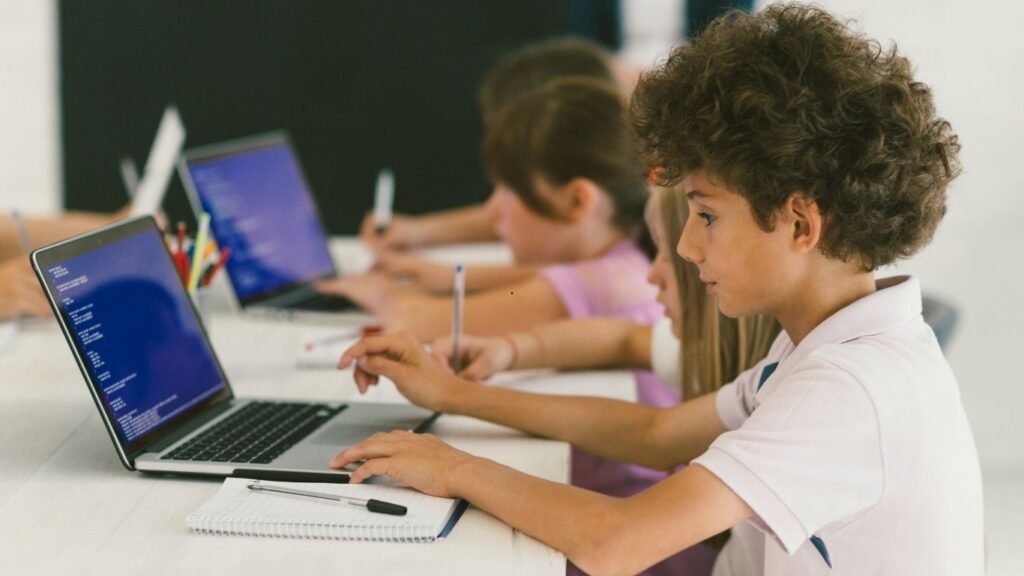
The world is changing faster than ever, and the skills children need today are very different from what was required just a few years ago. With artificial intelligence, automation, and digital technology becoming a part of everyday life, parents are asking an important question: What are the best skills for kids to learn in 2026?
The answer goes beyond academics. While subjects like mathematics, science, and language remain important, children also need practical, creative, and future-focused skills that help them adapt, solve problems, and succeed in a rapidly evolving world.
In this guide, we will explore the best skills for kids to learn in 2026 and how parents can help children develop these abilities from an early age.
Why Future Skills Matter More Than Ever?
Technology is transforming the way people learn, work, and communicate. Experts suggest that future careers will require a combination of technical knowledge, creativity, communication, and critical thinking. Children who develop these skills early will be better prepared for future opportunities and challenges.
The goal is not just to prepare kids for jobs but to help them become confident learners, innovative thinkers, and problem solvers.
1. Coding and Computational Thinking
Coding continues to be one of the most valuable skills for children in 2026. However, coding is not only about writing computer programs. It teaches children how to think logically, break down problems into smaller parts, and create solutions step by step.
Benefits of coding for kids include:
- Improved logical thinking
- Better problem-solving skills
- Enhanced creativity
- Stronger mathematical understanding
- Confidence in technology
Platforms such as Scratch make coding fun and interactive for young learners, helping them build games, animations, and projects while learning essential programming concepts.
2. Artificial Intelligence (AI) Literacy
AI is becoming a part of everyday life. Children don’t need to become AI engineers, but they should understand how AI works, its benefits, and its limitations. Learning AI literacy helps children become responsible users of technology rather than passive consumers.
Key areas kids can learn include:
- Understanding what AI is
- Using AI tools responsibly
- Asking effective questions
- Evaluating AI-generated information
- Learning about AI ethics
Children who understand AI early can use it as a learning assistant while maintaining their own creativity and independent thinking.
3. Critical Thinking and Problem-Solving
In a world filled with information, children need the ability to think critically. Critical thinking helps kids analyze situations, ask questions, evaluate information, and make informed decisions. It is considered one of the most important future-ready skills.
Children can develop critical thinking through:
- Puzzle-solving activities
- Coding projects
- Strategy games
- Science experiments
- Open-ended discussions
These activities encourage children to think independently and develop confidence in solving challenges.
4. Creativity and Innovation
Even in the age of AI, creativity remains a uniquely human strength. Creative children are better at generating ideas, adapting to change, and finding unique solutions to problems. Experts increasingly view creativity as a key future skill because technology can support creativity but cannot replace genuine imagination and personal expression.
Ways to nurture creativity include:
- Storytelling
- Art and design
- Music
- Creative coding projects
- Building and making things
Creativity helps children become innovators rather than followers.
5. Communication Skills
Strong communication skills help children express ideas clearly, collaborate effectively, and build confidence. Whether communicating online or face-to-face, children need to learn how to listen, speak, and present their thoughts effectively.
Communication skills benefit children by:
- Improving teamwork
- Enhancing leadership abilities
- Building self-confidence
- Strengthening social relationships
Encouraging presentations, group activities, and discussions can help children become effective communicators.
6. Emotional Intelligence
Emotional intelligence is the ability to understand and manage emotions while showing empathy toward others. As technology automates many technical tasks, human-centered skills like empathy and emotional awareness become even more valuable.
Children with strong emotional intelligence often:
- Build healthier relationships
- Manage stress effectively
- Resolve conflicts peacefully
- Work better in teams
Teaching children self-awareness and empathy helps them succeed both personally and professionally.
7. Digital Literacy and Online Safety
Today’s children spend a significant amount of time online. Digital literacy goes beyond using devices—it includes understanding how technology works, evaluating online information, and staying safe on the internet.
Important digital literacy skills include:
- Safe internet practices
- Cybersecurity basics
- Responsible social media use
- Identifying misinformation
- Protecting personal information
These skills help children become responsible digital citizens.
8. Collaboration and Teamwork
Future workplaces will continue to emphasize collaboration. Children who learn to work effectively with others gain valuable interpersonal skills that benefit them throughout life.
Teamwork teaches children:
- Respect for different perspectives
- Leadership skills
- Cooperation
- Shared responsibility
Group coding projects, sports, and classroom activities provide excellent opportunities to develop teamwork.
9. Adaptability and Lifelong Learning
The future will bring constant change. Many jobs that children will have in adulthood may not even exist today. This makes adaptability one of the most important skills children can develop.
Adaptable children:
- Embrace new challenges
- Learn new technologies quickly
- Recover from setbacks
- Stay curious and motivated
Encouraging a growth mindset helps children become lifelong learners.
10. Data and Analytical Thinking
Data is everywhere. From sports statistics to social media trends, children increasingly interact with data in daily life. Learning how to understand and analyze information helps them make better decisions and think more logically.
Children can start with:
- Reading charts and graphs
- Understanding patterns
- Basic spreadsheet skills
- Simple data projects
These foundational skills prepare them for future academic and career success.
How Parents Can Help Children Build Future Skills?
Parents play a crucial role in developing future-ready skills. Here are a few practical tips:
- Encourage curiosity and questions.
- Provide opportunities for hands-on learning.
- Introduce coding and technology early.
- Limit passive screen time and promote active learning.
- Support creative activities and hobbies.
- Celebrate effort and progress rather than perfection.
- Encourage independent problem-solving.
Remember, learning should be engaging and enjoyable. Children learn best when they are excited about exploring new ideas.
Final Thoughts
When considering the best skills for kids to learn in 2026, the focus should be on a balance of technical knowledge and human skills. Coding, AI literacy, critical thinking, creativity, communication, emotional intelligence, teamwork, and adaptability are all essential for future success.
At Edupodz, we believe children learn best when education is interactive, practical, and future-focused. By helping kids develop these valuable skills today, parents can prepare them for a world full of opportunities tomorrow.
Ready to help your child become future-ready?
Explore Edupodz coding and technology programs designed to build creativity, problem-solving, and digital skills for the next generation.
FAQs: Best Skills for Kids to Learn in 2026
What are the best skills for kids to learn in 2026?
The best skills for kids to learn in 2026 include coding, artificial intelligence basics, critical thinking, creativity, communication, emotional intelligence, and digital literacy. These skills help children adapt to future technologies and real-world challenges.
Why is coding considered one of the best skills for kids in 2026?
Coding helps kids develop logical thinking, problem-solving abilities, and creativity. It also prepares them for future careers where technology plays a major role.
At what age should kids start learning future skills?
Children can start learning basic future skills like problem-solving and creativity as early as 5–7 years old. Coding and structured digital skills can be introduced gradually based on their age and interest.
How can parents help kids learn the best skills for 2026?
Parents can encourage curiosity, enroll kids in interactive learning programs, promote hands-on activities, and support creative and tech-based learning like coding classes.
Are soft skills important along with technical skills in 2026?
Yes, soft skills like communication, teamwork, and emotional intelligence are equally important. They help children collaborate, lead, and succeed in both personal and professional life.
How can Edupodz help kids learn the best skills for 2026?
Edupodz offers interactive and practical learning programs focused on coding, creativity, and problem-solving. These programs are designed to make kids future-ready in a fun and engaging way.
What is the most important skill for kids to succeed in the future?
While many skills are important, adaptability and continuous learning are the most crucial. Kids who are open to learning new things will always stay ahead in a changing world.