
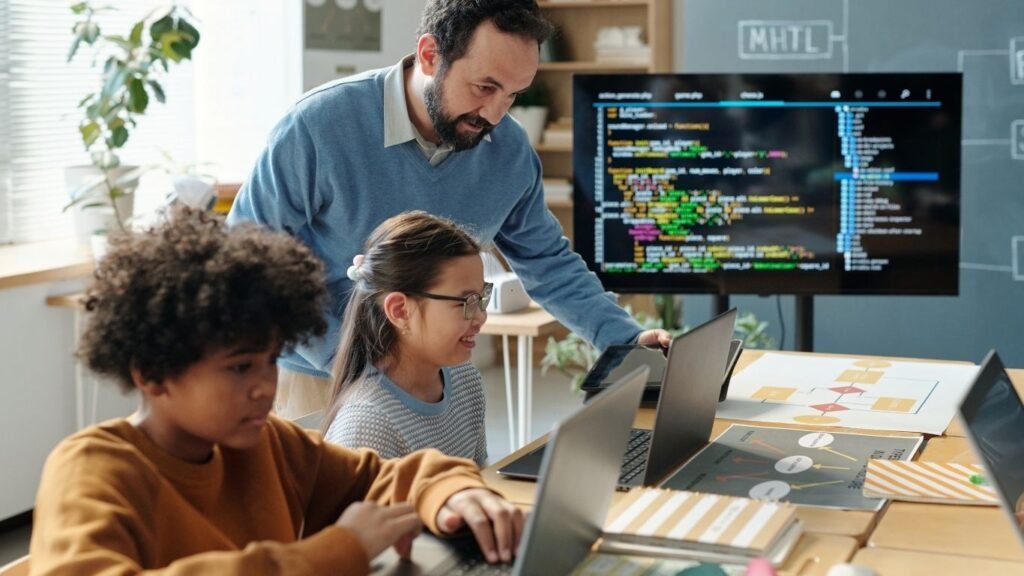
Children today are growing up in a world filled with technology. From mobile apps and video games to smart devices and artificial intelligence, technology is part of everyday life. But instead of only using technology, many parents now want their children to understand how it works. That is where coding programs for children come in.
Coding is no longer a skill reserved for software engineers. It has become an important learning tool that helps children think differently, solve problems creatively, and build confidence in their abilities. The best part is that modern coding programs are designed specifically for young learners, making coding fun, interactive, and easy to understand.
At Edupodz Junior, we believe that children learn best when education feels exciting. Coding allows them to create games, animations, apps, and digital projects while developing skills that will benefit them throughout their academic and professional journey.
What Are Coding Programs for Children?
Coding programs for children are educational courses that teach kids how to communicate with computers using simple programming concepts. These programs are designed according to a child’s age, learning style, and skill level.
Unlike traditional programming courses for adults, coding programs for children use visual tools, games, storytelling, and hands-on activities to make learning enjoyable. Children often start with block-based coding platforms before moving on to more advanced programming languages as they grow.
The goal is not simply to teach coding syntax. Instead, it is about helping children develop logical thinking, creativity, and confidence while having fun.
Why Coding Is Important for Children?
Many parents wonder whether coding is necessary for young children. The answer is simple: coding teaches much more than technology.
Research has shown that coding activities can improve children’s planning skills, critical thinking, and problem-solving abilities. Young learners who participate in coding programs often develop stronger computational thinking and executive function skills.
When children learn coding, they learn how to:
- Break large problems into smaller steps
- Think logically and systematically
- Experiment and test solutions
- Learn from mistakes
- Build creative projects from their own ideas
These are valuable life skills that extend far beyond computers.
Benefits of Coding Programs for Children
Improves Problem-Solving Skills
Coding encourages children to think through challenges and find solutions independently. When a program does not work as expected, kids learn how to identify errors, make adjustments, and try again.
This process teaches resilience and persistence while strengthening analytical thinking.
Encourages Creativity
Many people think coding is only about logic, but it is also highly creative.
Children can create animations, games, digital stories, websites, and interactive projects. Coding allows them to turn their imagination into something real and functional.
Research on coding education highlights its positive impact on creativity and computational thinking among young learners.
Builds Confidence
There is something powerful about creating a project from scratch. When children see their code come to life, they gain confidence in their abilities.
Completing coding challenges and building projects helps them believe they can solve problems and learn new skills successfully.
Develops Logical Thinking
Coding follows a sequence of instructions. Children learn how actions connect and how one decision affects another.
This structured thinking improves reasoning skills that can support learning in subjects like mathematics and science.
Prepares Children for Future Careers
Technology continues to shape industries around the world. While not every child will become a software developer, digital literacy is becoming essential in nearly every profession.
Learning coding early helps children become comfortable with technology and prepares them for future opportunities in a technology-driven world.
What Age Should Children Start Learning Coding?
One of the most common questions parents ask is when children should begin coding.
The good news is that coding programs for children are available for different age groups. Many experts suggest that children can start exploring coding concepts as early as elementary school through visual and game-based activities.
For younger children, coding often involves:
- Visual block coding
- Puzzle-solving activities
- Story-based programming
- Robotics and interactive games
As children grow older, they can gradually transition to text-based programming languages and more advanced projects.
The key is choosing age-appropriate programs that focus on engagement and understanding rather than complexity.
What Children Learn in Coding Programs?
A well-designed coding program covers much more than programming commands.
Children often learn:
Computational Thinking
Computational thinking teaches children how to approach problems in a logical and organized way.
They learn to:
- Analyze situations
- Identify patterns
- Create step-by-step solutions
- Test and improve outcomes
Programming Fundamentals
Children are introduced to important coding concepts such as:
- Sequences
- Loops
- Conditions
- Variables
- Functions
These concepts form the foundation of future programming skills.
Project-Based Learning
Many coding programs encourage children to build real projects.
This might include:
- Games
- Animations
- Interactive stories
- Apps
- Robotics projects
Project-based learning keeps children motivated because they can see immediate results from their work.
Collaboration and Communication
Modern coding programs often include teamwork activities where children share ideas, solve challenges together, and present their projects.
These experiences help improve communication and collaboration skills.
How to Choose the Right Coding Program for Your Child?
Not all coding programs are created equal. When choosing a coding course, parents should focus on programs that make learning engaging and enjoyable.
Look for coding programs that offer:
- Age-appropriate lessons
- Interactive learning experiences
- Hands-on projects
- Experienced instructors
- Small class sizes
- Supportive learning environments
The best coding programs for children focus on understanding concepts rather than memorizing code.
A child who enjoys learning is far more likely to stay motivated and continue developing their skills.
Why Parents Are Choosing Coding Education Today?
Parents increasingly recognize that coding is about much more than preparing children for technology careers.
Coding helps children become creative thinkers, confident learners, and capable problem-solvers.
Research continues to highlight how coding education supports computational thinking, creativity, planning abilities, and social-emotional development in young learners.
These skills can benefit children in school, future careers, and everyday life.
Start Your Child’s Coding Journey with Edupodz Junior
At Edupodz Junior, we make coding exciting, interactive, and accessible for young learners. Our coding programs for children are designed to help kids build valuable technology skills while having fun through creative projects and engaging activities.
Whether your child is completely new to coding or ready to explore advanced concepts, our programs provide a supportive environment where curiosity and innovation thrive.
The future belongs to creators, problem-solvers, and innovators. Coding gives children the opportunity to become all three while enjoying every step of the learning journey.
Helping your child learn coding today can open the door to endless possibilities tomorrow.
Frequently Asked Questions (FAQs) About Coding Programs for Children
Why are coding programs for children important?
Coding programs for children help develop problem-solving skills, logical thinking, creativity, and confidence. They also prepare kids for a future where technology plays a major role in almost every career.
Are coding programs for children difficult to learn?
No, coding programs for children are designed to be simple and fun. They use interactive tools, step-by-step guidance, and creative activities to make learning easy, even for beginners.
What skills do children gain from coding programs?
Children learn important skills such as critical thinking, computational thinking, creativity, teamwork, and communication. They also gain basic programming knowledge and digital literacy.
Do coding programs for children require prior knowledge?
No prior knowledge is needed. Most coding programs for children start from the basics and gradually build up skills, making them suitable for beginners.
What types of projects do children create in coding programs?
Children can create games, animations, websites, apps, and interactive stories. These projects help them apply what they learn in a practical and exciting way.
What makes Edupodz Junior coding programs for children unique?
Edupodz Junior focuses on making coding fun, interactive, and easy to understand. Our programs combine creativity, practical learning, and real-world projects to help children build confidence and future-ready skills.